
May 29, 2026
Agency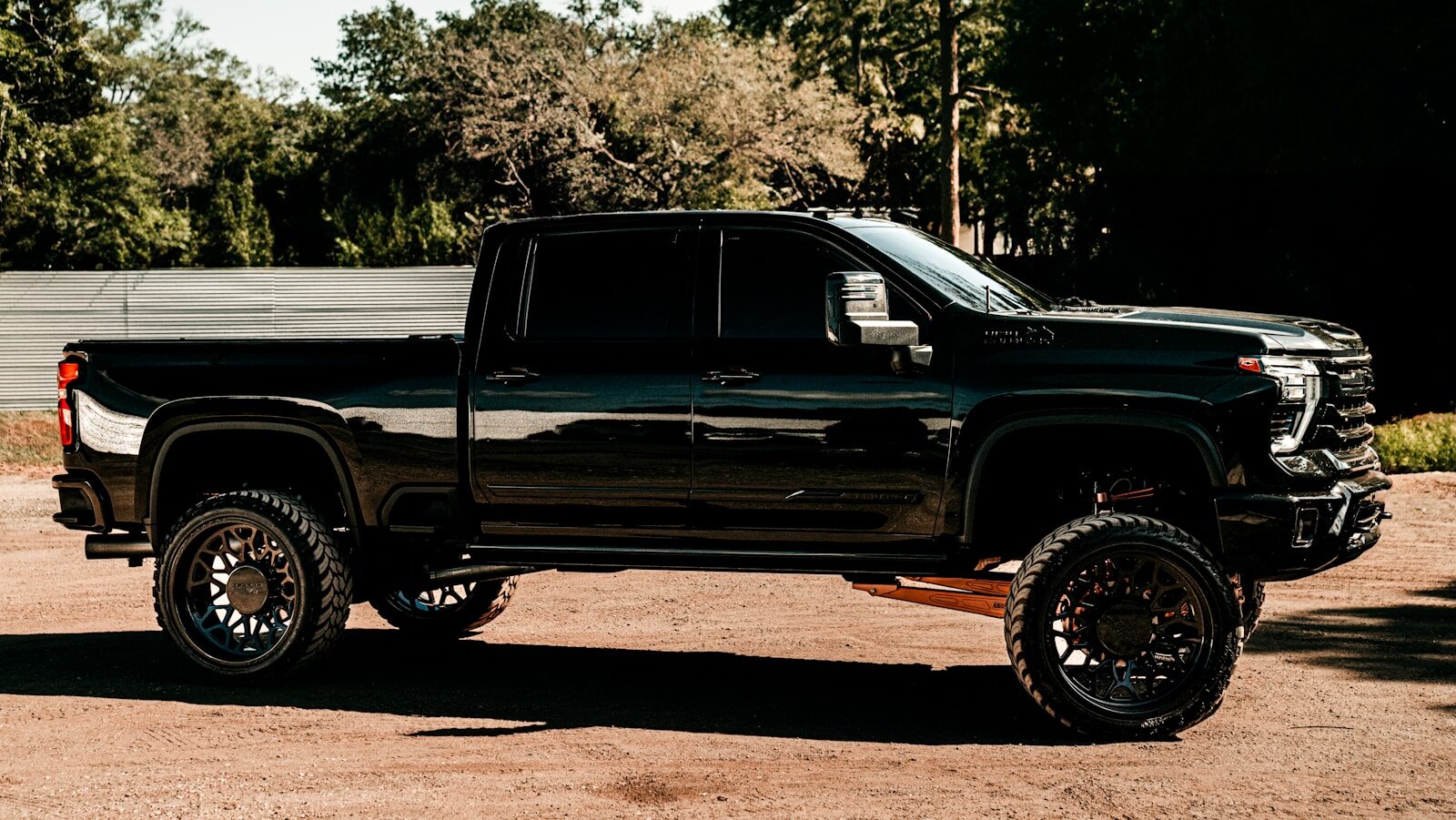
How Modifying Commercial Vehicles (Lift Kits, Trailers, Safety Tech) Impacts Insurance Premiums
Modifying commercial vehicles is common for many businesses, from adding lift kits for off-road capability, attaching trailers for extra hauling, or installing advanced safety technology. However, these changes can have a significant impact on your commercial auto insurance premiums and coverage.
How Vehicle Modifications Affect Insurance
When you modify a commercial vehicle, insurance companies may view it differently in terms of risk and value. Here’s how some common modifications can influence your policy:
- Lift kits: Raising a vehicle’s suspension can improve ground clearance but may also increase the risk of rollovers or accidents. Insurers often see lifted vehicles as higher risk, which can lead to increased premiums or additional coverage requirements.
- Trailers: Adding or regularly using trailers changes the way your vehicle is used and can affect liability and physical damage coverage. You may need to update your policy to ensure both the vehicle and trailer are properly insured.
- Safety technology: Installing features like backup cameras, collision avoidance systems, or telematics can sometimes lower premiums by reducing accident risk. However, it’s important to notify your insurer so these upgrades are factored into your policy.
Coverage Eligibility and Risk Assessments
Insurance companies in Texas evaluate modified vehicles differently from standard models. Some modifications may make a vehicle ineligible for certain types of coverage or require specialized policies. For example, extensive customizations or performance enhancements might limit your options with some insurers. Accurate risk assessments depend on full disclosure of all modifications.
How We Help
Castillo Insurance & Income Tax Service specializes in helping Texas businesses navigate the complexities of commercial auto insurance. Contact us today for more information or a personalized quote.
This blog is intended for informational and educational use only. It is not exhaustive and should not be construed as legal advice. Please contact your insurance professional for further information.
Categories: Blog, Commercial Auto